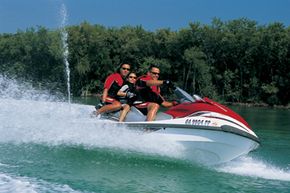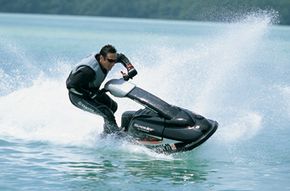
When snowmobile manufacturer Bombardier Inc. introduced the SEA-DOO® in 1968, the idea of a motor-driven consumer watercraft with no visible propeller was revolutionary. The idea of passengers standing on a watercraft instead of sitting in a conventional hull was also pretty out there. In fact, the design turned out to be too original. Bombardier's new product was not successful, and the company discontinued it in 1970.
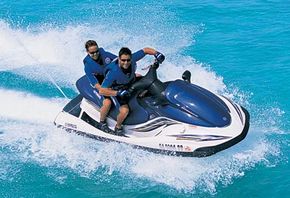
A few years later, Kawasaki Motors introduced the JET-SKI® watercraft, which became so popular that many people now refer to all personal watercraft as "jet skis." In the mid-1980s, other manufacturers developed their own models, and Bombardier re-introduced its SEA-DOO design.
Advertisement
Since then, demand for personal watercraft has skyrocketed. There were 1.48 million personal watercraft registered with the U.S. Coast Guard in 2004. About 28.7 million people rode personal watercraft in U.S. waters in the same year [Source: USDA].
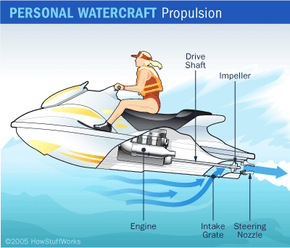
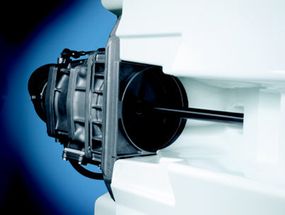
In this article, we will explore how these craft operate, and we'll examine the safety, environmental and legal concerns related to their use.
Advertisement