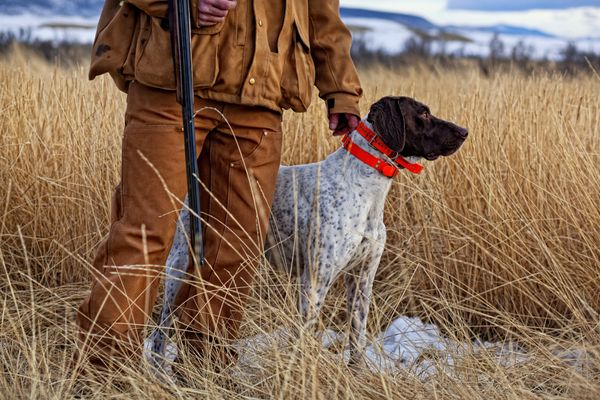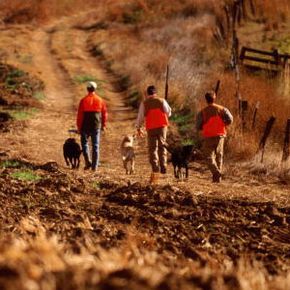
So, Rover finally mastered fetch? If you're a hunter, it's probably time to see what other tricks he's good at -- maybe you should see if he can help put dinner on the table for a change. Fetch is similar to retrieving in hunting, when a dog is responsible for tracking down the hit game and bringing it back to his master.
Hunting as a sport is controversial, so anytime you examine a facet of the sport you have to touch on the ethics. There are those who live to hunt and those who believe it to be cruel if it's not done out of necessity. To the latter, hunting for sport with dogs is inhumane.
Advertisement
If you want to discuss the ethics of hunting with dogs, you might want to look at it from this angle. Many hunters choose to hunt by the rules of fair chase hunting, which states that sportsmen should never have an unfair advantage over the animals they pursue. The question is, does using a dog provide an unfair advantage? This is just one of the topics this article will touch upon.
We'll also examine the long journey dogs have taken to become the hunters they are today, dating back tens of thousands of years. Then we'll move into what breeds are best for hunting and which hunting strategies call for the use of canine aid. We'll wrap up by discussing the platforms for those in favor of dog hunting and those opposed, but not before giving some quick tips on training your versatile pet.
Are you ready to jump into the action? We should start by taking a look at how dogs began hunting in the first place. Check out the next page for information on dog hunting history.
Advertisement