Christopher Columbus. Marco Polo. Sir Walter Raleigh. Ferdinand Magellan. Lewis and Clark. What do these people have in common? Exploration. Setting off from their homelands, these men spent years sailing the oceans and roaming the wild to discover new worlds. Even though there's not much new to discover here on Earth today, it's still fun to explore areas that are new to us.
If you want to be an explorer, you need to know how to navigate. The Vikings set out on their ship voyages using only the sun, wind and stars as their guides. Luckily, navigational devices have come a long way since then.
Advertisement
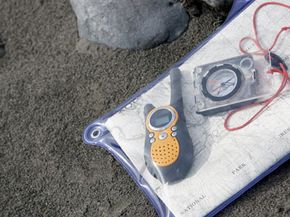
Anyone who's ever been hiking or camping knows that one of the most important items you can carry is a compass. A map is no good to you if you don't have a compass to point you in the right direction. The compass has been around for centuries. To say it is a tried-and-true navigational device would be a gross understatement.
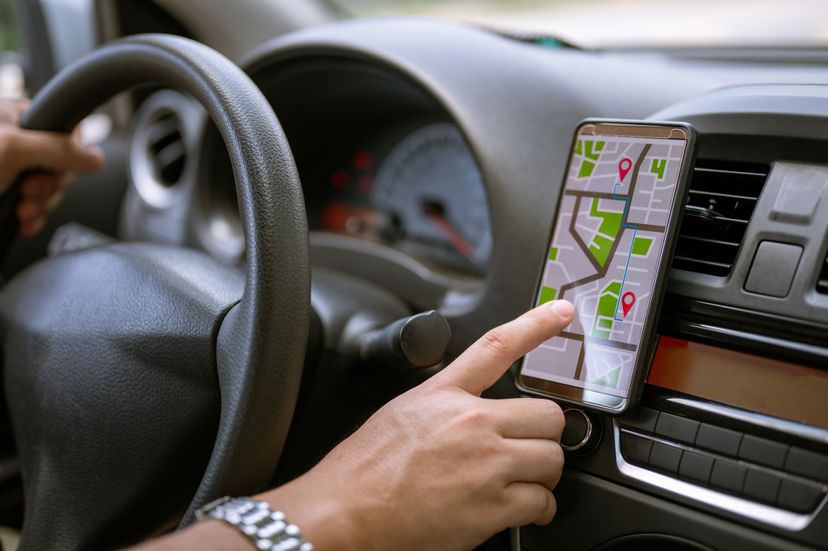
However, in the last few decades, satellite and computer technology opened the door for more advanced personal navigation systems. Global Positioning Systems (GPS) receivers are hand-held devices that not only tell you which direction you're going, but will devise routes for you, as well as provide you with a map. Many GPS devices even come loaded with topographical and trail maps, not just road maps.
It'll make you want to throw your compass and paper maps away. But don't do that just yet. Each instrument has as list of pros and cons you should consider. Let's take a look at compass vs. GPS.
Advertisement