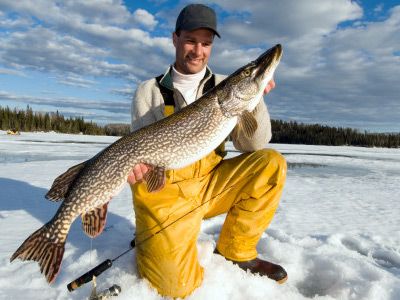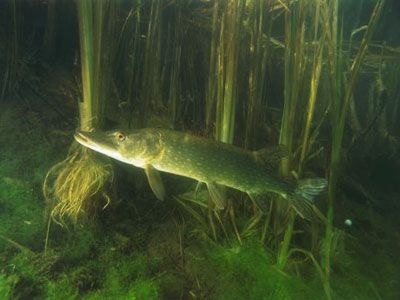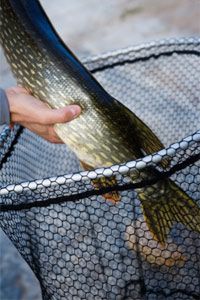
It is a beautiful spring day, so you've taken your boat out on the lake to fish. You find a peaceful, protected bay, the perfect spot to settle in for an afternoon of fishing. You cast your line and slowly begin to reel the lure back in. Suddenly, your line is hit. Hard. Your adrenaline rushes at the first catch of the season. You fight what must be a big one and finally get it into the boat. But when you take a look, you notice something. You've caught a pike, which isn't the fish you were expecting at all.
Pike are holarctic fish -- meaning they are found all around the globe in the freshwater habitats of most northern and arctic regions. In North America, they can be found in the lakes and rivers of the northern U.S. and throughout Canada. In the U.S., they are sometimes called northern pike, or simply a "northern." They're large, predatory, freshwater fish that sit atop their ecological food chain. They feed on almost anything swimming or thrown in their direction, particularly in the spring. Because of their insatiable appetite, pike grow to be large fish. It is not uncommon to find pike that weigh 10 pounds (4.5 kilograms) or more in larger lakes and rivers. Needless to say, pike make a great addition to any trophy wall, dinner platter or photo collection.
Advertisement
You might think pike are easy fish to catch since so many fishermen unintentionally reel them in. While randomly casting might garner a pike every so often, the truth is fishing for pike requires good technique. Read on to learn why live bait, spoons and fly fishing are the top three techniques -- and how they can virtually guarantee a hit.